


Recycling is the name given to the reprocessing of used and non-usable materials and the use of consumers. Recycling includes all materials that have lost their potential for use, from plastic bottles to car tires, from broken glass to unusable metal pieces.
These materials are brought to the recycling factories and separated up to their raw materials. Then, a new product is created with these materials, which become raw materials. Here, the whole of this process is called the Recycle Process.
Makes a Worldwide Impact
Recycling benefits have the potential to affect the whole world, both socially and economically. The first of these benefits is environmental health. Thanks to recycling, the amount of waste material released to nature is greatly reduced, and in addition, waste is prevented. However, its benefits are not limited to these.
Economic and Environmental Contributions of Recycling
In order to list the contributions of recycling, it is useful to divide these contributions into environmental and economic contributions. Here are the economic contributions of recycling:
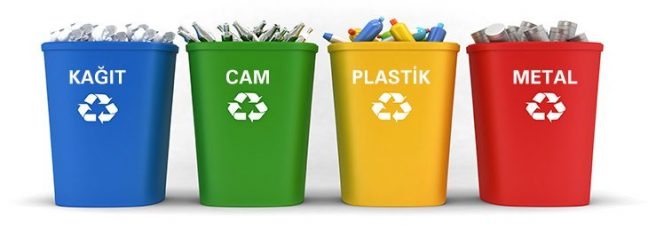
Economic Contributions
The contribution of recycling to the economy is primarily to prevent waste. It is to be able to offer the use of the society by preventing the waste materials that may be useful to be wasted.
It eliminates problems such as the transportation or storage of waste materials and garbage.
It causes a decrease in raw material consumption.
It prevents unnecessary energy use.
It ensures that unusable, waste materials are offered to consumers as a brand new product.
It prevents waste materials from being a problem in crowded populated areas.
It increases employment and reduces unemployment by creating a new business line.
It reduces the amount of raw material that needs to be imported from other countries by making waste materials into raw materials and ensuring their re-production. Thus, it greatly reduces import costs.
Environmental Contributions
The environmental contributions of recycling can be listed as follows:
Recycling contributes to the protection of trees, minerals and water resources.
It greatly reduces the search for new raw materials for the production of consumables. Thus, it prevents both air and environmental pollution.
It contributes to the reduction of greenhouse gas emissions.
Finally, soil fertility increases thanks to compost materials and fertilizers from household waste. Thus, both organic and high nutritional value products are obtained.